Up to 64 km
On site
All ages
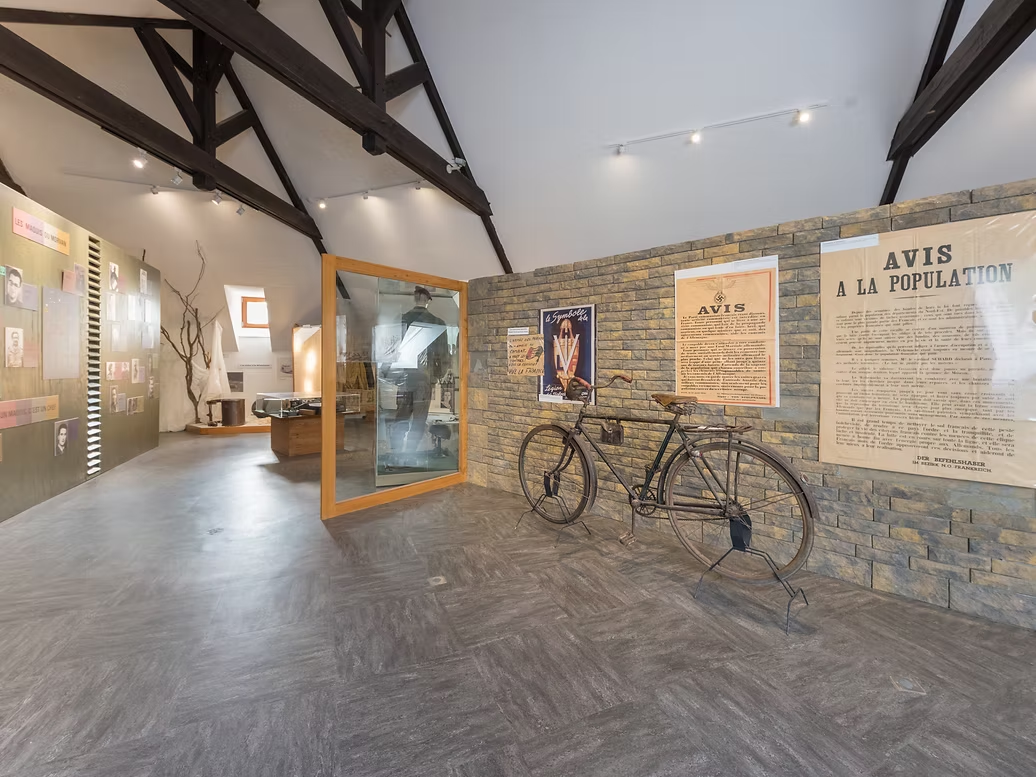
This hotel, completed in the early 1930s, converted on 2 September 1939 into a military hospital, occupied by the German army, headquarters of the Nièvre Resistance, centre of the fight against the STO, setting for military ceremonies of the Maquis Louis, has become a museum in tribute to its founder and director: Georges Perraudin. Visitors can discover thousands of authentic and rare documents.
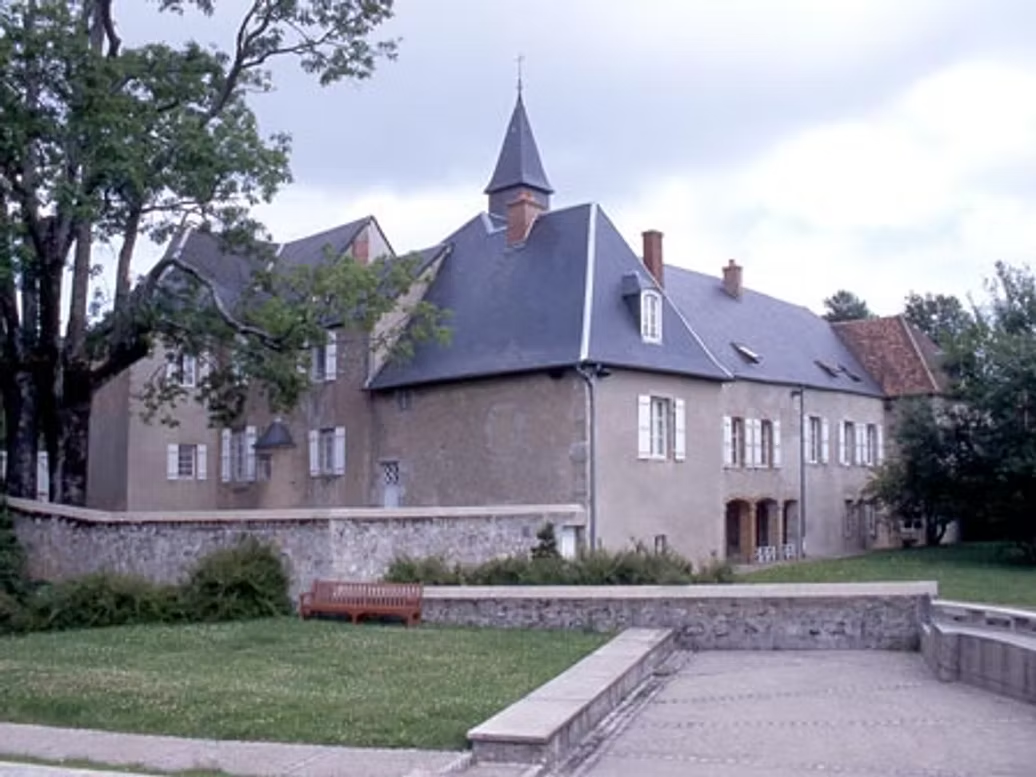
Housed in the former Sainte-Claire convent, built in the 18th century, it opened its doors in 1986. It houses the official or personal gifts received by the President of the Republic, François Mitterrand, in the course of his duties and given by him to the Département of the Nièvre. The collection brings together objects given by the representatives of most of the countries of the world with which François Mitterrand maintained diplomatic relations, as well as those from various places in France. Often luxurious, the ceremonial gifts offered by foreign heads of state are generally artisan craft products.
The Bibracte museum, inaugurated in April 1995, is set on the slopes of Mont Beuvray. In a very contemporary architecture, the permanent exhibition offers a fascinating reading of Celtic civilisation, through its oppida (fortified towns), which dotted Europe a little over 2,000 years ago. Archaeological pieces lent by French or foreign museums, or copies of remarkable pieces, are compared with objects discovered at Bibracte. Numerous models, audiovisual displays and reconstructions make the museum very attractive and allow visitors to plunge into the heart of the daily life of our ancestors.

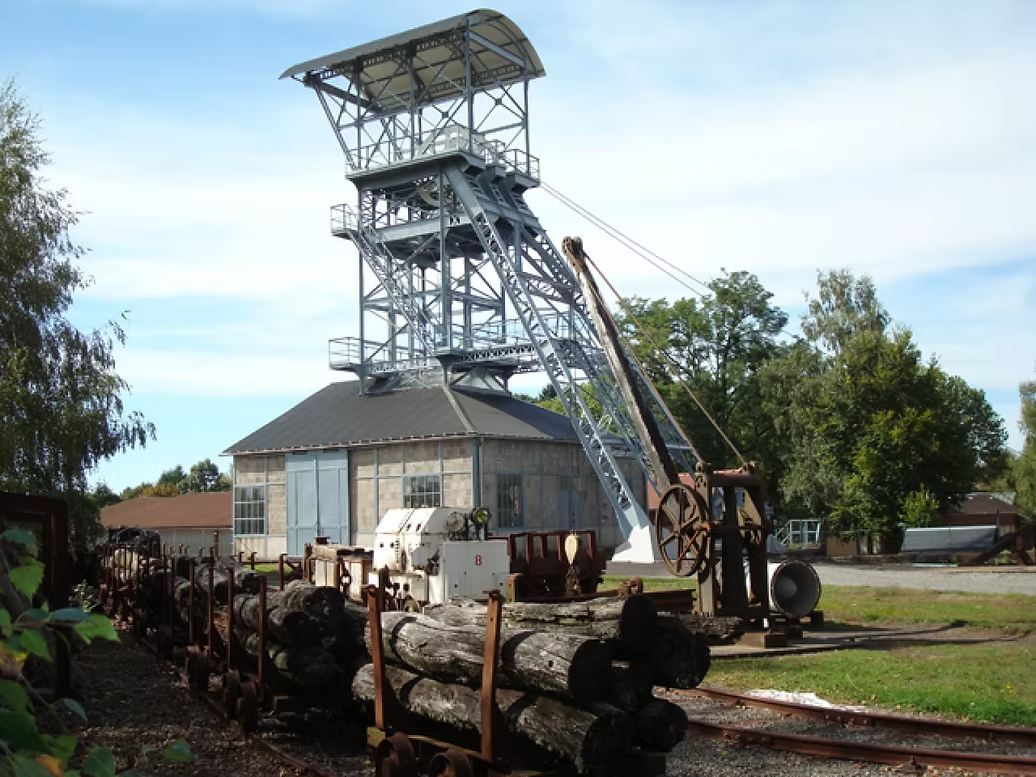
Housed in the former administrative headquarters of the “Houillères” (coal mines), the Museum traces the history of coal and the life of the miners (underground work, the packed lunch, the tragedies, leisure). The Museum holds objects, photographs and models donated by former miners. You will also find the directors’ office, a large plan room, a model of the town, collections of minerals and fossils, miners’ lamps and an evocation of a workers’ home.
The Puits des Glénons mine shaft and its mine gallery stand on the very site of the former mining activity.
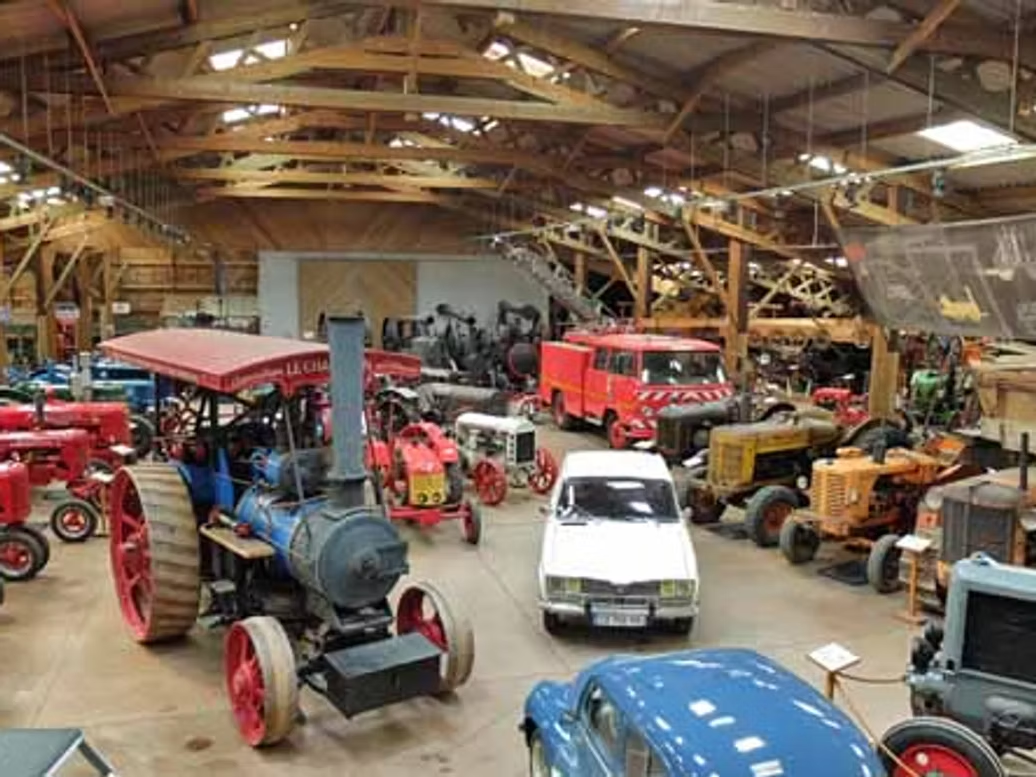
The Charolais agricultural machinery museum in
Neuvy-Grandchamp presents a collection of more than 500 pieces, of every make: tractors, stationary engines, steam engines, threshing machines, cars, lorries and other objects of rural life.
It also houses a workshop where agricultural and steam-powered machines and objects are restored and maintained.

This Nevers faience museum presents, over an area of 2 100 m2, the riches of its collections: faience (15 000 pieces from the 11th to the 20th centuries), spun glass (300 pieces), sculptures, paintings, coins, posters and prints.
The 18th-century town house of the Buteau-Ravizy family has housed, since 1992, an important costume collection of some 5 000 pieces, most of which come from the Dardy collection acquired by the town of Château-Chinon. Over an area of 1 500 m2, visitors can discover the various developments of French fashion from the end of the 18th century to the middle of the 20th.

We use cookies to run this site and understand what interests you. You decide.
Learn more →Choose the cookie categories you want to enable. You can change your choices at any time.
Essential for the site to work (cart, forms, security). Always on.
| Name | Purpose | Duration |
|---|---|---|
lvc_consent |
Stores your cookie choices | 6 months |
wordpress_logged_in_* |
Logged-in user session | Session |
wordpress_test_cookie |
Checks cookie support | Session |
Help us understand how you use the site to improve it. Anonymised data.
Used to measure the effectiveness of advertising campaigns. No service currently active on this site.
Remember your browsing choices for a personalised experience.



 EN
 FR
 DE
 NL
 IT
 ES